معلومات عنا العلاج الطبيعي وإعادة التأهيل
اُستخدمت وسائل العلاج الفيزيائي بالمواد الطبيعية في العصور القديمة لتحسين وظائف الأعضاء وتخفيف الألم، فقد اشتهر الصينيون قبل الميلاد بـ(3000) عام باستخدام طرق العلاج الطبيعي المتنوعة، كما اشتهر الرومان والأغريق باستخدام حمامات المياه المعدنية الساخنة لعلاج الألم، وقاموا بإدخال الكثير من التطورات على طرق العلاج الطبيعي، وفي العصر الحديث في عام (1894)م تأسست جمعية خاصة للعلاج الطبيعي في بريطانيا تحت اسم (Chartered Society Of Physiotherapy)، وعلى إثرها بدء إنشاء وإقامة العديد من برامج التدريب على العلاج الطبيعي في الكثير من دول العالم، كما تم البدء باستخدام التقنيات الحديثة في تطبيقات العلاج في أوروبا والولايات المتحدة الأميركية.
من الجدير بالذكر أنه قد شهد المجال تطوراً ملحوظًا خلال الحرب العالمية الثانية، وذلك نتيجةً لظهور حالات عديدة لإصابة النخاع الشوكي والجهاز العصبي المركزي في المستشفيات.
المحتوى الأكاديمي
محتوى البرنامج الأكاديمي لتخصص العلاج الطبيعي وإعادة التأهيل
تعرف على المحتوى الأكاديمي لبرنامج العلاج الطبيعي وإعادة التأهيل في إحدى الجامعات التركية، علمًا بأنه يمكنك التعرف على تفاصيل المحتوى الأكاديمي في الجامعة التي ترغب بالدراسة بها من خلال الموقع الرسمي لها، للتأكد من المواد الدراسية التي تتناولها في كل عام دراسي.
يوفر برنامج العلاج الطبيعي وإعادة التأهيل للطلاب مواد دراسية متنوعة وتدريبًا مهنيًا منظمًا من أجل اكتساب المعرفة والمهارات المهنية. خلال سنوات الدراسة الأربع، كما يلي:
العام الدراسي الأول
- فسيولوجيا الإنسان
- علم وظائف الأعضاء البشرية والخلية والدم
- الهيكل العظمي والجهاز العصبي
- الجهاز التنفسي والجهاز البولي والغدد الصماء والجهاز الهضمي
- الكيمياء الحيوية
- العمليات التي تتم في جسم الإنسان
- التشريح الأساسي التطبيقي
- أساسيات العلاج الطبيعي وإعادة التأهيل
- قيم ومبادئ إعادة التأهيل البيولوجي النفسي
العام الدراسي الثاني
- سبل التقييم الأساسي في العلاج الطبيعي وإعادة التأهيل
- هيكل الجسم البشري
- قياسات الجسم البشري
- التحمل العضلي والمرونة
- التأثيرات الميكانيكية والفسيولوجية والنفسية والانعكاسية
- التقنيات المتعلقة بسبل العلاج الطبيعي
- علم الأعصاب
- التغذية
العام الدراسي الثالث
- الفسيولوجية العصبية
- تقويم العظام وتقنيات وأساليب إعادة التأهيل والعلاج الطبيعي
- العلاج المهني
- استخدام الأجهزة المساعدة اللازمة
- تطبيقات العلاج الطبيعي وإعادة تأهيل الأطفال
- إعادة التأهيل الرئوي
- الميكانيكا الحيوية السريرية
- علم الحركة
- تقنيات التصوير الإشعاعي
- علم الأدوية
العام الدراسي الرابع
- حالات التشخيص السريري المختلفة
- طرق البحث في مجال التخصص
- علم الأوبئة
- سبل تطوير وتنفيذ استراتيجيات العلاج المناسبة
ففي خلال سنة التخرج يتم تدريب الطلاب على الممارسة السريرية حيث تتاح لهم الفرصة لتطبيق المعلومات التي تعلموها خلال الثلاث سنوات السابقة والاستفادة من الخبراء. ذلك بالإضافة إلى التدريب الصيفي الإلزامي. كما يتناول الطلاب دورات تثقيفية للتعرف على أخلاقيات المهنة والمهارات المهنية ذات الكفاءة العالية.
مجالات العمل
الفرص الوظيفية لأخصائيي العلاج الطبيعي
يعمل أخصائيو العلاج الطبيعي في:
- المستشفيات الحكومية أو الخاصة أو الجامعية
- مراكز إعادة التأهيل
- العيادات الخاصة
- النوادي الرياضية
- المنشآت الصناعية
- وحدات الصحة العامة
- المدارس
- دور التمريض
- مرافق الرعاية الصحية الأولية
كما يمكن للخريجين الذين يرغبون في متابعة المهن الأكاديمية، مواصلة دراساتهم العليا والحصول على الماجستير والدكتوراه والعمل في الجامعة.
العلاج الطبيعي وإعادة التأهيل
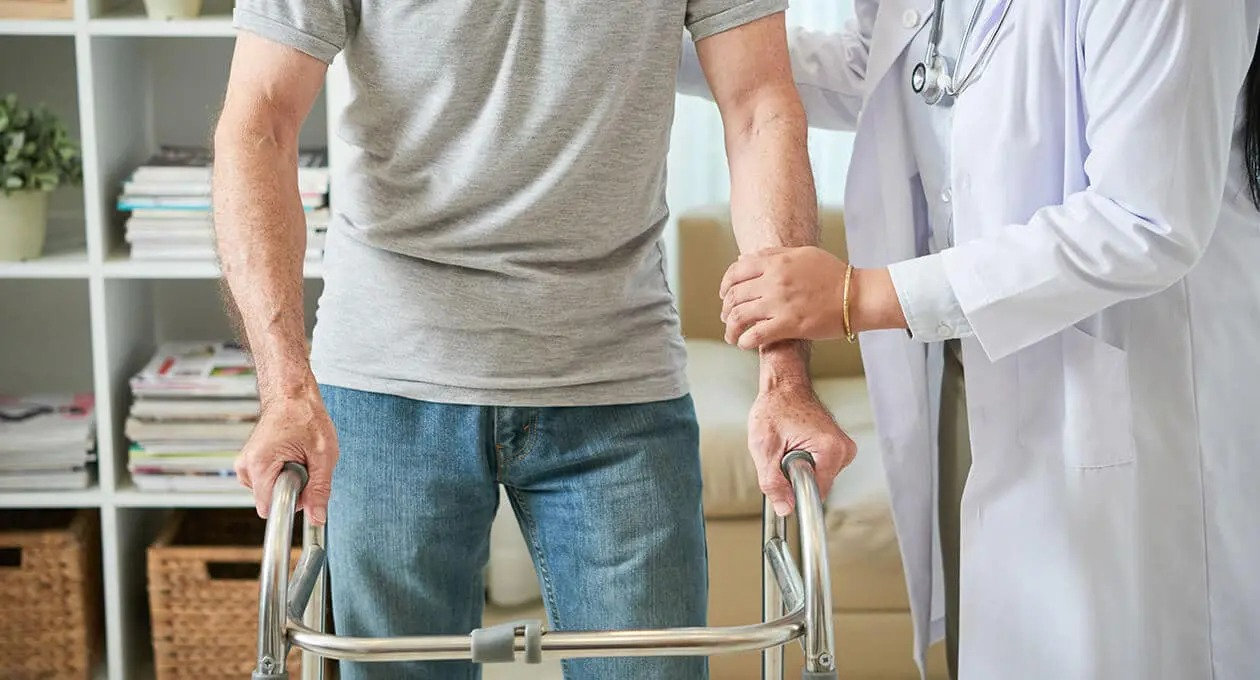
العلاج الطبيعي وإعادة التأهيل هو فرع من فروع كلية العلوم الصحية ويُعد من التخصصات المساعدة لمهنة الطب، حيث يعمل المتخصص به على علاج الأفراد الذين يعانون من اضطرابات في الهيكل العظمي العضلي وآلام العظام والمفاصل والاضطرابات العضلية ومصابي الحوادث، بالإضافة إلى تأهيل المرضى قبل وبعد العمليات الجراحية.
تشمل دراسة العلاج الطبيعي والتأهيل مناهج وقائية وعلاجية لتطوير الوعي الصحي بالتوازي مع التطورات العلمية والتكنولوجية. ويُمنح خريج القسم لقب “معالج فيزيائي”.